

Orlando is inland heat and inland rain, with no ocean breeze to cut either one. The sun sits on the roof, the glass, and the attic until the equipment and the shingles age on a schedule the coast does not share. Then a thunderstorm stands up over the lakes and the subdivision ponds and dumps a wall of water that is gone from the sky and still standing in the swale. Surge is not the story here. Ponding, a lake that rises, and a lot graded toward the slab are the water story. The nights stay warm for a long stretch, and a cool morning is a visitor, not a season.
Sandy ground drinks, then the lawn wilts, which is why irrigation is not a luxury on a new sod job and a mistake when it keeps running through a week of storms. Older shaded streets carry oaks, wood windows, and plumbing that has met those roots. Newer stucco houses repeat the same attic, the same west glass, and a retention pond that breeds mosquitoes behind the fence. Hail shows up often enough in a severe storm to matter, and not often enough that anyone should pretend every bruise on a shingle is hail.
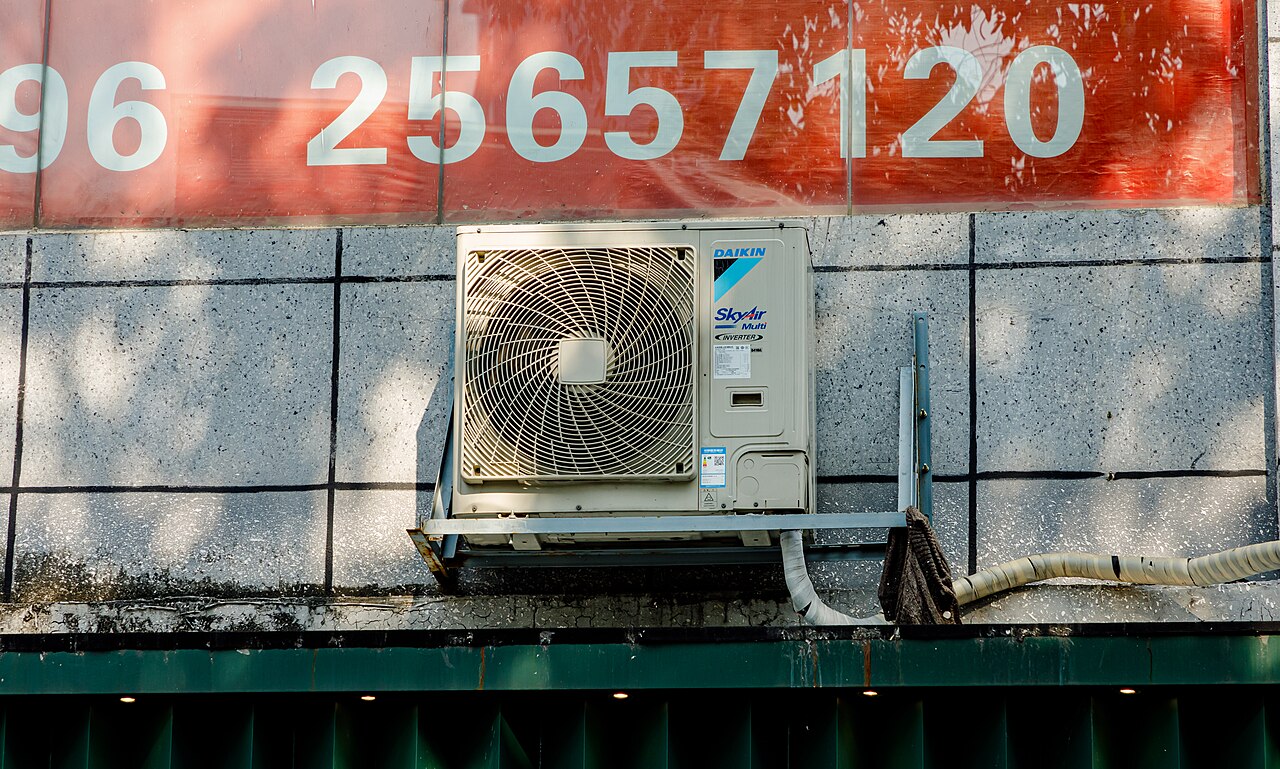
The house runs on cooling. Ducts in a blazing attic leak. An oversized unit short-cycles and leaves the rooms clammy while the thermostat looks satisfied. Termites work the sandy soil. Lovebugs smear the season across every surface and are not a structural emergency. What is structural is a roof that has baked, a window that leaks when the rain comes sideways, and a bath that never quite dries in this humidity.
Insurance still belongs on its own call. Bring the policy, the deductible, and any claim. Wind and flood are different even this far from the beach. A storm can lift a ridge and, separately, rain can flood a house from a pond or a stuck swale. Neither fact promises an outcome. Say what happened, and say inland, because that changes the water question. Pick the trade and call.